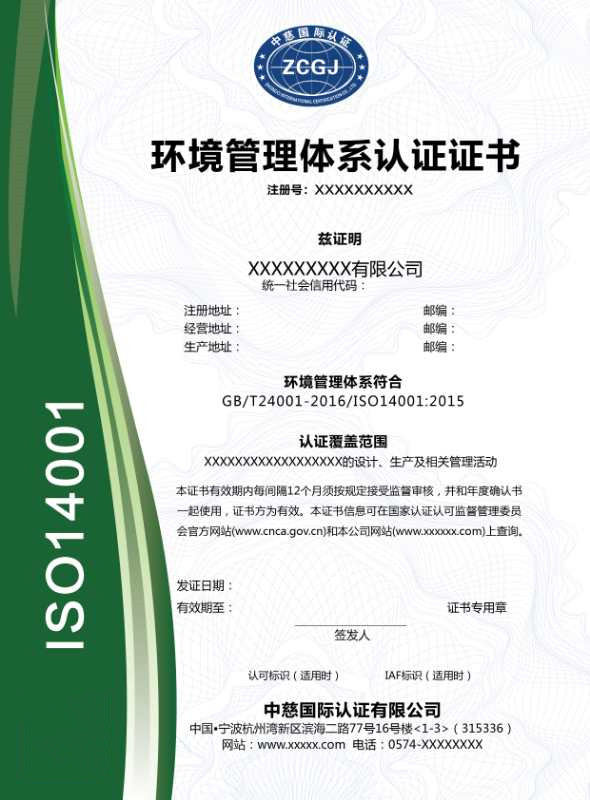
宁波杭州湾AAA资信等级证书ISO9001认证费用 收费透明
价格:7000.00起
宁波正昊企业管理咨询有限公司提供
ISO9001,ISO14001,ISO45001,TS16949,十环认证,CE
ROHS,各种质量验厂
价格低,,服务好,
本标准中采用了以下动词形式:
“shall”表示要求;
“should”表示建议;
“may”表示允许;
“can”表示可能性或能力
标注为“注”的信息是理解或说明相关要求的指南。
本标准基于ISO 9000中阐述的质量管理原则,该阐述包括每项原则的说明、对组织的重要性、与该原则相关的益处的示例,以及应用该原则时改进组织绩效所采取的典型措施的示例。
质量管理原则是:
- 以顾客为关注焦点;
- 力;
4.3 Determining the scope of the quality management system确定质量管理体系的范围
组织应确定质量管理体系的边界和适用性来建立其范围。
在确定质量管理体系范围时,组织应考虑:
a) 在4.1中涉及的外部和内部情况;
b) 在4.2中涉及的有关相关方要求;
c) 组织的产品与服务。
高管理者应确保相关角色的职责和权限在整个组织得到分派、沟通和理解。
高管理者应规定职责和权限以:
a) 确保质量管理体系符合本标准的要求;
b) 确程实现其预期的输出;
c) 向高管理者报告质量管理体系绩效和改进机会;
d) 确保在整个组织提高以顾客为关注焦点的意识;
e) 对质量管理体系的变更进行策划和实施时,维护质量管理体系的完整性。
6 Planning 策划
6.1 Actions to address risks and opportunities 应对风险和机会的措施
6.1.1 策划质量管理体系时,组织应考虑 4.1和 4.2的要求,并确定需要应对的风险和机会以:
a) 确保质量管理体系能够实现其预期的结果;
b) 增强期望的影响;
c) 预防或减少非预期的影响;
d) 实现持续改进。
组织应监视顾客对其要求和期望得到满足的程度的感受。组织应确定获取、监视和评审该信息的方法。
注:监视顾客感受的示例可以包括顾客调查、顾客对已交付产品或服务的反馈、顾客交流会议、市场占有率分析、赞扬、索赔担保和经销商报告。
a) 在4.1中涉及的外部和内部情况;
b) 在4.2中涉及的有关相关方要求;
c) 组织的产品与服务。
如本标准的要求在确定的范围内适用,组织应应用本标准的所有要求。 组织的质量管理体系范围应可获取并保持形成文件的信息。范围应说明质量管理体系所覆盖的产品和服务,并对组织确定不适用于管理体系范围的本标准的要求说明正当理由。
当被确定为不适用的要求不影响组织确保产品和服务的符合性以及增强顾客满意的能力或责任时,才能声称符合本标准的要求。
ISO 9001:2015
Quality management systems —Requirements
质量管理体系-要求
0.1 General 总则
The adoption of a quality management system is a strategic decision for an organization that can help
to improve its overall performance and provide a sound basis for sustainable development initiatives.
The potential benefits to an organization of implementing a quality management system based on this
International Standard are:
a) the ability to consistently provide products and services that meet customer and applicable statutory and regulatory requirements;
b) facilitating opportunities to enhance customer satisfaction;
c) addressing risks and opportunities associated with its context and objectives;
d) the ability to demonstrate conformity to specified quality management system requirements.
This International Standard can be used by internal and external parties.
It is not the intent of this International Standard to imply the need for:
— uniformity in the structure of different quality management systems;
— alignment of documentation to the clause structure of this International Standard;
— the use of the specific terminology of this International Standard within the organization.
The quality management system requirements specified in this International Standard are complementary to requirements for products and services.
This International Standard employs the process approach, which incorporates the Plan-Do-Check-Act (PDCA) cycle